Imagine: you publish an unplanned post and it unexpectedly takes off. Comments, likes, shares, new followers. It seems that this is the secret to success: write something great, and the algorithms will do the rest for you. But a week goes by. There’s no follow-up post, the audience loses interest, and the algorithms stop promoting the account. And now that viral post has gotten lost in users' feeds.
Here lies the main myth of SMM: that good content will promote itself. In reality, social media prefers not one-off bursts but consistency.
Why the system is more important than inspiration
Inspiration is a fickle thing. It comes suddenly but also disappears just as quickly. A system, however, is what keeps content afloat. Why?
First, the system creates a habit for the audience. When followers know that useful posts come out on Tuesdays and light entertainment on Fridays, they start to look forward to the publications. The content becomes part of their rhythm, and anticipation leads to engagement.
Secondly, social media algorithms favor stability. If you post irregularly, even good posts can suffer in reach. But an account that consistently produces content is rewarded by the algorithms.
For example, a local café in Yekaterinburg had irregular posting on Instagram*—reach fluctuated between 200 and 2000. When they began posting consistently three times a week (menu reviews, guest feedback, memes), average reach doubled, and 80% of followers viewed stories. The algorithms started to trust the account and recommended its content more often.
There’s another advantage to a well-structured posting system. With a plan, you don’t have to frantically come up with a post at 1 AM for the next day. Instead of chaos, you have an algorithm: topics are assigned, deadlines set. Inspiration is spent on creating quality content rather than putting out fires.
What a systematic approach provides
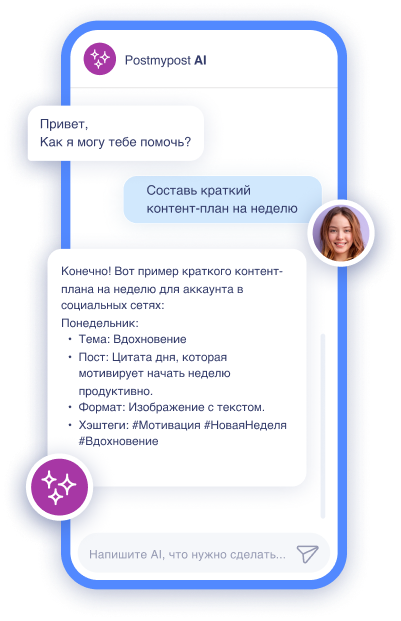
With a plan, you can allocate topics in advance. Informative posts, entertaining formats, and promotional publications come together to form a cohesive brand image. Followers receive variety, and you gain confidence that the necessary marketing objectives are being met.
An online English school initially published only promotional posts—results were poor. They decided to create a plan: useful phrases on Tuesdays, puns on Thursdays, and student reviews on Saturdays. Engagement grew by 40%—as a result, sales increased.
A systematic approach helps synchronize content with other activities: launching promotions, seasonal offers, and holidays. Planning also ensures a balance of formats. Instead of publishing only texts or only reels for a week straight, you alternate: long reads, videos, stories, carousels. This maintains attention and gives each format a chance to find an audience.
How to implement a system without pain
You can smoothly integrate a system without unnecessary stress.
Start with the minimum—a weekly plan. There’s no need to outline content for a whole quarter right away. It’s enough to sketch out 3–4 posts to see how it works.
Set priorities. Define categories and goals. For example, expert posts on Tuesdays, entertaining ones on Thursdays, and light interactivity on Saturdays. This makes it easier to understand what and why you are publishing, without wasting energy on endless thoughts of "What should I write about?".
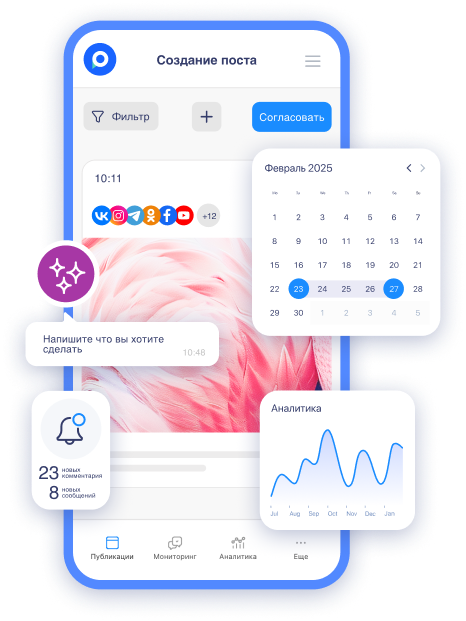
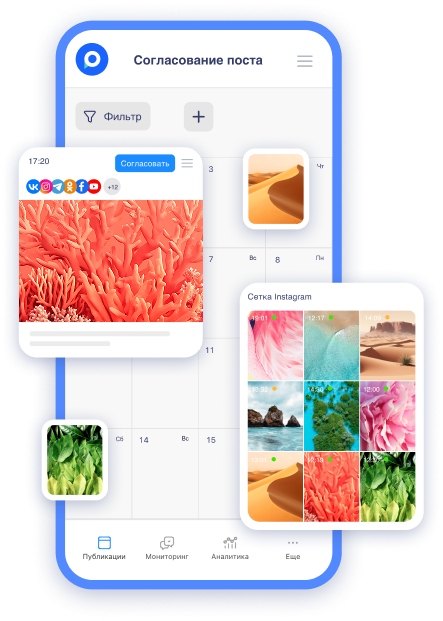
Automate the routine. Once you have a plan, you shouldn’t keep it in your head or notes. Services like Postmypost help load posts in advance, distribute them across days, and forget about publications until they go live. Plus, you can involve a team: a designer, copywriter, and SMM specialist. They will be able to see the shared calendar and work in sync.
How to use Postmypost
Implementing a system is easier when you have a tool that frees you from routine. Postmypost is designed so you don't have to keep everything in your head and in separate files.
Here’s how the service can help:
- You can schedule publications a week, month, or quarter in advance. This is convenient when you need to synchronize content with seasonal promotions, holidays, and marketing activities.
- Posts go live strictly on schedule, even if you’re on vacation or busy with other tasks.
- In Postmypost, you can set stages: tasks will move from one specialist to another without your involvement and reminders.
Quality content is essential, but without a system, it operates in vain. Even the brightest post quickly sinks in the feed if it’s not followed by others. Start small: outline a plan for at least a week and automate your posts. From there, the process will naturally become a habit.
* Instagram is owned by Meta, recognized as an extremist organization in the Russian Federation.